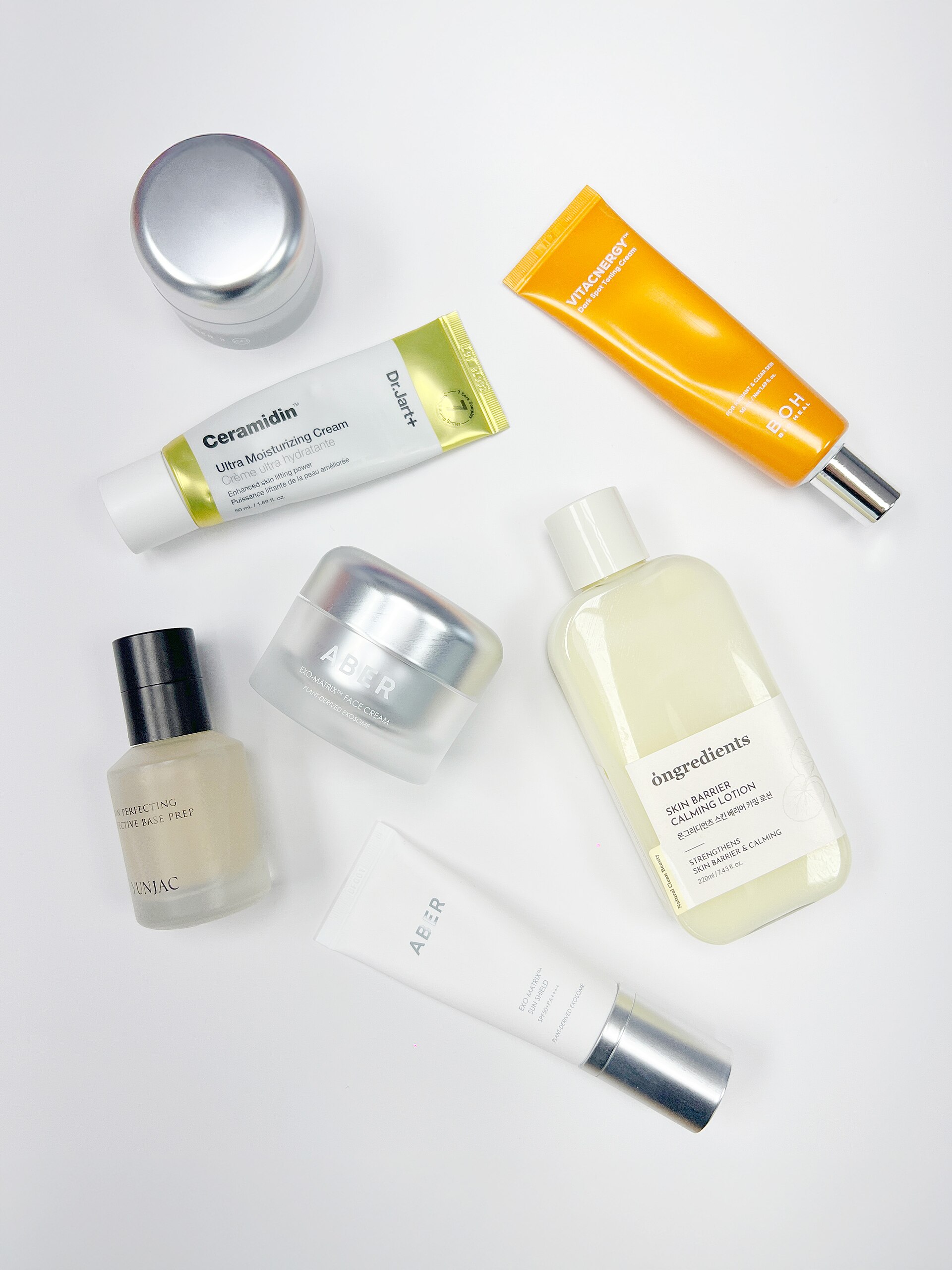
The question is not whether gel, lotion, or cream is best for everyone. It is whether one moisturizer stays comfortable under the sunscreen you really use, in an amount and method you can repeat. This is a cosmetic observation test, not a diagnosis or promise of suitability.
1. Day zero: fix what will not change
Choose five comparable workdays. Keep cleanser, sunscreen, and makeup stable, and do not introduce a new exfoliant, retinoid, or mask at the same time. Photograph the moisturizer label and opening date; read its directions and warnings.
The American Academy of Dermatology places moisturizer and/or sunscreen after cleansing and prescribed treatment. For this test: moisturizer if needed, sunscreen exactly as labeled, then makeup. Medical treatment follows your clinician’s instructions, not this experiment.
2. Choose texture for the day—not for the category name
AAD notes that ‘moisturizer’ includes lotions, gels, creams, and ointments. A lighter vehicle may feel easier for some people in heat, while a richer one may feel better on dry skin; the category name alone cannot predict tolerance, pilling, or shine.
Give one product one job. If sunscreen alone already feels comfortably moisturizing, no universal rule requires a separate moisturizer. If skin feels tight, first test a small, even amount rather than stacking several serums.
3. Separate pilling from irritation
Pilling is the visible rolling or flaking of layers during application. Amount, rubbing, waiting time, and formula combinations can affect it; it does not diagnose an allergy or identify a ‘bad’ ingredient. Persistent burning, itch, swelling, or rash is different: stop and seek appropriate advice.
If pilling occurs, repeat the next day with less moisturizer while keeping sunscreen and its labeled method unchanged. Spread gently rather than rubbing for a long time. Never reduce the labeled sunscreen amount simply to make a cosmetic layer look smoother.
4. Days 1–5: record only three moments
At 20 minutes, record comfort, pilling, shine, and makeup finish. At midday, note tightness, stinging, or excess oil. After the commute home, ask whether the combination stayed comfortable through outdoor heat and indoor air-conditioning. Use a simple 0–3 scale, not edited photographs.
Do not rebuild the routine at your desk. Gentle blotting or labeled sunscreen reapplication is a separate decision. FDA advises following product directions, warnings, and storage instructions; a hot parked car is not a neutral storage cabinet.
5. Day five: make a limited decision
Keep the product if it remains comfortable and does not undermine sunscreen use or the workday. Reduce only the moisturizer amount if that resolves shine or pilling without tightness. Try a different texture if discomfort persists under a controlled method; that does not make the previous category universally bad.
Stop for a clear reaction and seek care for severe or persistent symptoms. This test does not treat clinical dryness, acne, or eczema, and it does not test sunscreen efficacy. Protection still depends on suitable sunscreen used as directed alongside shade and clothing.
The three-line record
- 20 minutes: comfort / pilling / shine
- Midday: tightness / sting / excess oil
- Evening: was the routine repeatable?
- Change moisturizer amount first
Clearly labeled affiliate link · Amazon.sa
One category directly related to the test
Search by texture and label, not popularity. If your current moisturizer works, there is no need to buy another.
As an Amazon Associate I earn from qualifying purchases. Commission does not determine editorial coverage.
Sources and limits
AAD and FDA guidance was checked 16 October 2026. The five-day comparison is a practical editorial framework, not a medical protocol or allergy test.