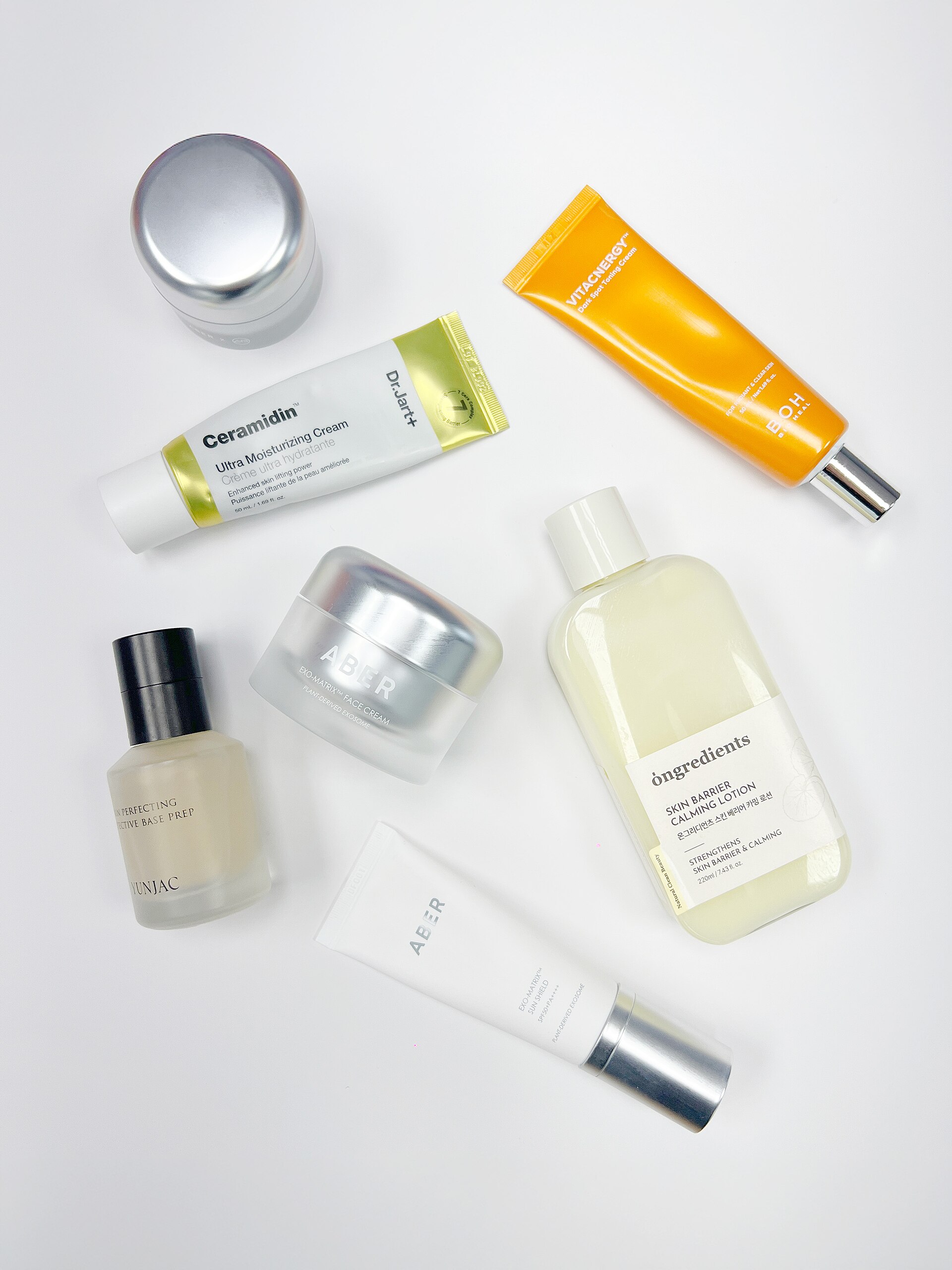
Original editorial diagram: Tuli Moon.
1. Read SPF and PA as two different languages
SPF primarily describes protection against UVB, the radiation closely associated with sunburn. PA, common on Japanese and Korean products, grades UVA protection under a defined test method. The Japan Cosmetic Industry Association describes PA as the Protection Grade of UVA and recognizes grades through PA++++.
SPF 50 and PA++++ are not a force field, and symbols from different markets cannot be converted with a casual formula. Look for a recognized UVA claim for the product’s market—such as PA, broad spectrum, or a UVA mark—then follow the original package directions. Ratings guide selection; application, amount, wear, and reapplication shape real-world performance.
2. Plan around exposure, not your desk chair
Map the day: a bright car window, a walk from parking, an outdoor lunch, or the trip home. The World Health Organization recommends sun-protection measures when the UV Index reaches 3 or higher and points to the SunSmart Global UV app for local timing.
Being indoors does not rewind the morning application, but it does not make every minute equally exposed. Our practical inference is to attach your review point to the next outdoor block. Set a reminder before lunch or the commute home, while treating the product label and actual conditions as the authority.
3. Make the morning layer the foundation
Apply sunscreen to exposed skin in the method and amount stated on the package, allowing any instructed settling time before exposure. Do not assume makeup with SPF provides the labeled protection if you are not using the tested amount.
Sunscreen is one layer of a strategy. The US Food and Drug Administration pairs it with shade, clothing, sunglasses, and hats. On a hot commute, reducing direct exposure between car and building can be more dependable than trying to repair a sparse layer later.
This is general cosmetic and sun-safety education, not a diagnosis, treatment, or personal medical plan.
4. Reapply when conditions change
In guidance updated June 9, 2026, the FDA says to reapply at least every two hours and more often when swimming or sweating. Treat that as an outdoor-exposure rule and follow your own product’s more specific directions, especially its water-resistance statement.
For an office day, review before a new outdoor stretch when time has passed, and after obvious sweating, wiping, or rubbing. “Water resistant” does not mean all-day wear: look for the tested duration on the label.
5. Over makeup, separate convenience from evidence
A cushion, stick, powder, or mist may be easier over makeup, but an easy touch-up does not prove you used the quantity behind its protection rating. No universal format makes those products automatically equivalent to an even morning layer.
Our conservative editorial inference: use a lotion or cream you can distribute evenly as the base, and rely on a portable format only when its label explains how much to use and you can follow it. If makeup blocks reapplication every day, editing the makeup or sunscreen texture is more honest than ignoring the exposure.
6. Choose for your life, not the shelf photo
For a humid commute or sweating, look for water resistance and its stated duration. If your skin reacts easily, review fragrance, alcohol, and ingredients you already know you do not tolerate; test on a small area before an important day. Dewy or velvet finishes are sensory preferences, not evidence of higher protection.
An Asian sunscreen is not automatically better because it feels light, and a clinical-looking one is not automatically better because it appears serious. Prioritize a clear protection claim, original packaging from a trustworthy seller, a texture you can apply properly, and a valid expiry date. Ask a qualified clinician or pharmacist about a skin condition or medicine that may increase sun sensitivity.
7. The 60-second exit check
Ask: What is the UV Index? How long will I be outside? Did I sweat or wipe my face? Has enough time passed to reapply under the label? Can shade, a hat, or glasses reduce exposure?
This checklist cannot promise pigment-free skin or prevent every injury; it turns a label into a workable decision. Stop experimenting and seek appropriate care for severe sunburn, swelling, rash, or a concerning skin change.
Clearly labeled affiliate links · Amazon.sa
Two categories that may support the plan
You do not need anything new if you already own a suitable sunscreen and practical hat. These are category searches, not a ranking of individual products.
As an Amazon Associate I earn from qualifying purchases. Commission does not determine our editorial coverage.
Sources and limits
Checked July 27, 2026 against current FDA guidance, JCIA standards, and WHO UV Index guidance. Protection marks differ by market, so we do not infer unpublished numerical equivalence.
- US FDA — Sunscreen: How to Help Protect Your Skin from the Sun
- Japan Cosmetic Industry Association — SPF, PA and water-resistance standards
- World Health Organization — Ultraviolet radiation and UV Index
- World Health Organization — SunSmart Global UV app
This is general cosmetic and sun-safety education, not a diagnosis, treatment, or personal medical plan.