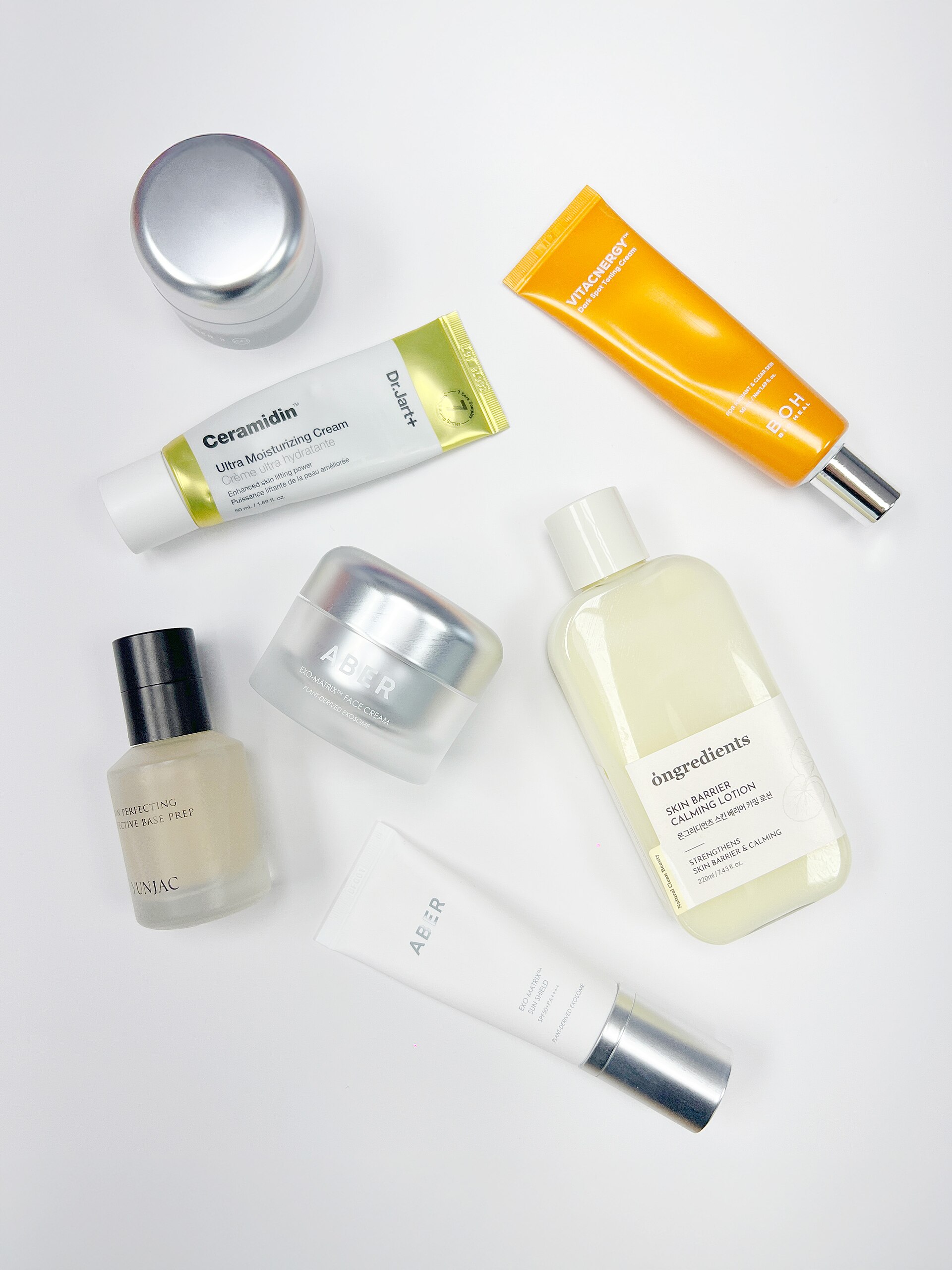
An ingredient list is a filter, not a laboratory report or a promise of results. It can confirm product function, flag an ingredient you already avoid, and surface directions and warnings. It rarely reveals exact percentages or predicts how the complete formula will feel on your skin.
1. Minute one: name the product's real job
Start with category and directions: cleanser, moisturizer, sunscreen, exfoliant, or another cosmetic? If the product does not make its intended use clear, a fashionable front label cannot rescue the comparison.
K-beauty and J-beauty terms such as essence, ampoule, and lotion can be used differently by brands and markets. Do not infer a universal strength or routine position from the name alone. Compare directions, texture, pack size, and suggested frequency.
2. Minutes two and three: read order without the 'first five' myth
FDA says ingredients are generally listed in descending order of predominance. Important exceptions apply: ingredients at 1% or less may be listed in any order after those above 1%, and color additives have separate flexibility. Position therefore does not reveal an exact percentage.
A fashionable ingredient near the top may suggest relative presence, not proven efficacy or a treatment dose. Near the end does not automatically mean useless; some materials are designed for low use levels. Be skeptical of apps or graphics that convert a label into confident percentages without manufacturer data.
3. Minute four: separate an ingredient from a claim
Ask what ingredient is named, what exact benefit is claimed, and whether the brand explains how the claim was assessed. 'Glow', 'clean', and 'pore care' are marketing language, not substitutes for a defined product function.
The European Commission's CosIng database helps identify INCI names and reported functions, but it explicitly says database inclusion is not approval for every cosmetic use. Finished-product safety depends on formulation, concentration, manufacture, use, and applicable regulation—not one famous name.
4. Minute five: match the label to the market you are buying
JCIA explains that cosmetics in Japan require full-ingredient labeling using recognized Japanese labeling names. Export packs may add INCI, translations, or distributor stickers. Compare the physical pack with the official page for the same market and size, not an old blog image.
If the brand page and pack differ, check the full product name, size, market, and package revision before assuming an error. Online, a missing readable ingredient list, directions, or warnings is a reasonable reason to pause and ask the seller or brand.
5. Minute six: look for information that matters to you
If you have a confirmed problem ingredient, look for its verified names and read directions and warnings. Do not diagnose an allergy from a long list or an automated score; known allergies and possible synonyms deserve professional guidance.
Fragrance-free, natural, country of origin, or a short list cannot guarantee compatibility. Introduce one new product at a time and use Tuli Moon's patch-test guide. Stop for a clear reaction and seek care for severe or persistent symptoms. This is cosmetic guidance, not diagnosis or treatment.
6. Minute seven: write a one-line buying decision
Complete this sentence: 'I need this because ___; I will use it ___; it does not duplicate ___.' If you cannot, the marketing may be ahead of the need. Prefer a traceable seller, original packaging, readable directions, and expiry or period-after-opening information where applicable.
Compare only two products doing the same job. If your current product performs comfortably, a longer list or trending ingredient is not enough reason to replace it. Good label reading sometimes ends with buying nothing.
Screenshot before checkout
- The product's job is clear
- The list matches this market and size
- Directions and warnings are readable
- No known personal problem ingredient
- I will not start it beside another new product
- The seller and packaging are verifiable
Sources and evidence limits
This is a consumer label-reading framework, not a formulation safety assessment or allergy diagnosis. Requirements vary by market; the local label and qualified professional take priority.