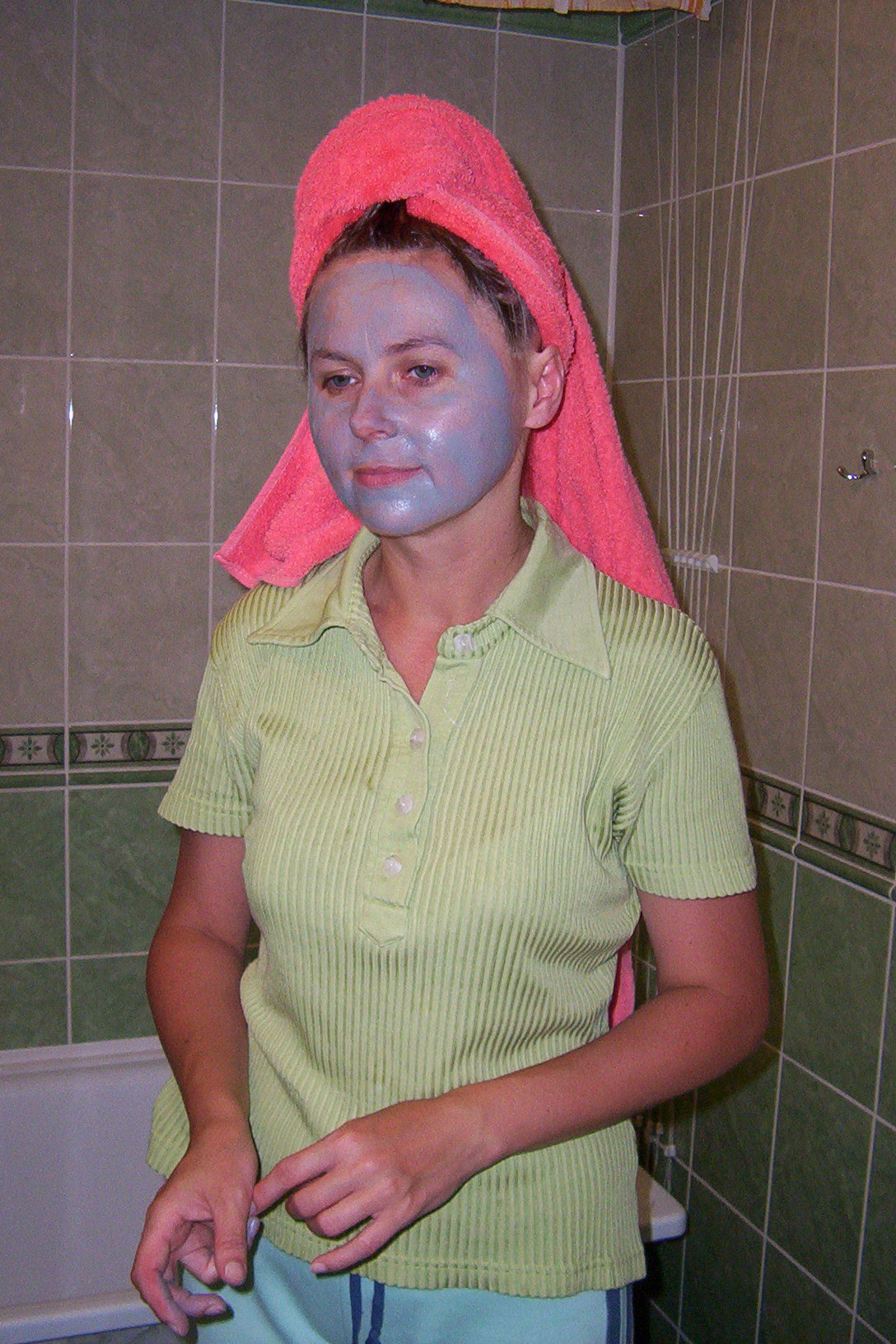
A face mask is an optional add-on, not a daily foundation or treatment. Depending on the formula, it may briefly hydrate, absorb some surface oil or exfoliate; it does not replace gentle cleansing, moisturizer and sunscreen. This guide turns one use into a small, reversible buying decision.
Start with one job, not an all-in-one promise
Name the job for that evening: comfort and hydration, temporary oil absorption from a clay formula, or clearly directed exfoliation. Do not stack all three or add a mask because the routine looks incomplete.
The American Academy of Dermatology says a mask can help a specific goal but cannot replace a routine or prescribed treatment. If you cannot name the gap, not buying is a sound result.
A charming name is not a direction
Read time, frequency, warnings and ingredients before opening. Terms such as gentle, hypoallergenic or sensitive skin do not guarantee no reaction; FDA notes that these claims have no federal definition guaranteeing that outcome in the United States.
If skin is easily irritated, watch for fragrance, essential oils, drying alcohol, abrasive scrubs or strong acids. Do not infer safety from the format or country of origin; the label and directions matter more.
In warm weather, hygiene and storage count
Use clean hands or a clean applicator, do not share, close the package and keep it out of sun or a hot car. FDA advises protecting cosmetics from temperature extremes and discarding them when colour or odour changes.
Test at night while the rest of the routine is stable. Humidity may make heavy layers less comfortable, but it does not make a mask a substitute for moisturizer or sun protection. That is practical context, not a universal climate promise.
The one-use, 10-minute test
Note the baseline: comfort, tightness and shine. Apply the labeled amount and obey its timing; if the label says less or more than ten minutes, the label wins. Set a timer and record at minute ten or removal, whichever comes first.
After removal, use only your usual moisturizer. Record immediately, after two hours and next morning: comfort, tightness, sting, redness, dryness and any clear benefit. Change nothing else that night. One use cannot prove a long-term result, but it can show whether the category deserves a measured trial before a full box.
Do not double acids, scrubs or retinoids
When a mask contains acids or exfoliants, do not pair it in the same session with another exfoliant or retinoid merely because each has been tolerated alone. AAD warns that duplicating active ingredients can increase dryness and irritation.
Return to the basic routine next day: gentle cleansing, moisturizer and morning sunscreen. A mask that repeatedly creates repair work does not simplify care, even when the first finish feels smooth.
Wash it off when burning or itching begins
Remove and rinse immediately for increasing sting, burning or itch. Stop for an unexpected rash or redness, and do not counter irritation with another new product. Facial swelling, breathing difficulty or severe pain needs urgent medical care.
This is cosmetic selection guidance, not diagnosis or treatment for allergy, acne, eczema or rosacea. With inflamed or broken skin, or prescribed treatment, discuss a mask with a dermatologist.
Before-the-box decision card
- One clearly stated job
- Timing, frequency and warnings you can follow
- No second new active that evening
- Clean storage away from heat
- Immediate + two-hour + next-morning notes
- Routine still works if you stop
Affiliate links · Amazon.sa
Compare the category, not the promise
These are general searches without prices or brand ranking. Check the label, seller and package directions before buying.
As an Amazon Associate I earn from qualifying purchases.
Sources and limits
Editorial review: 2 November 2026. The evidence supports safer use and selection, not a guaranteed outcome or medical treatment.